Most Recent

Crossing Paths With My Ghost
One of the most influential books I've ever encountered is Zen and the Art of Motorcycle Maintenance by Robert Pirsig. I knew I would be retracing part of the path of my cross country bike ride as I drove up to my summer job in Montana, which closely parallels the story line of the book, so I picked it up again for a second read on my trip north.
Yesterday, I was hiding out from a thunderstorm in the mountains just east of Jackson, WY. I read a couple chapters as I laid in this remarkably cozy nest of a bed I made with the back seats down in the used SUV I recently bought.
In the book, the main character is riding west on a motorcycle tour and begins recognizing places he can't remember being. His previous self was this philosophical genius of sorts who lost it and had his personality and memories destroyed through shock therapy. As he retraces his old route and returns to places he'd once been, the things he re-encounters drudge up memories and thoughts of that previous self. This previous self haunts him, almost like – as he says – a ghost.

Come Work With Me Just Outside of Yellowstone This Summer!
Breathtaking Moments and Our Incessant Need to Capture Them
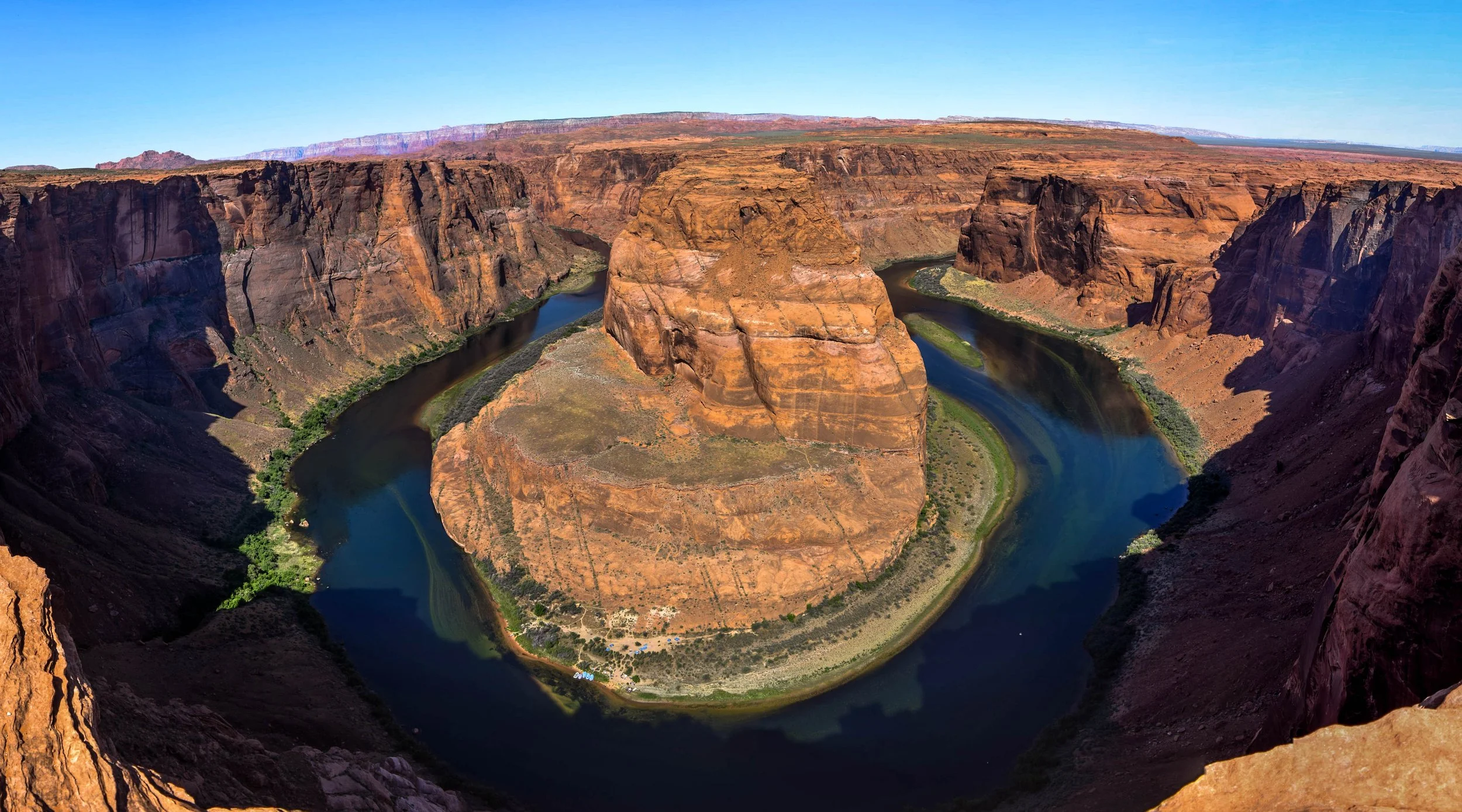
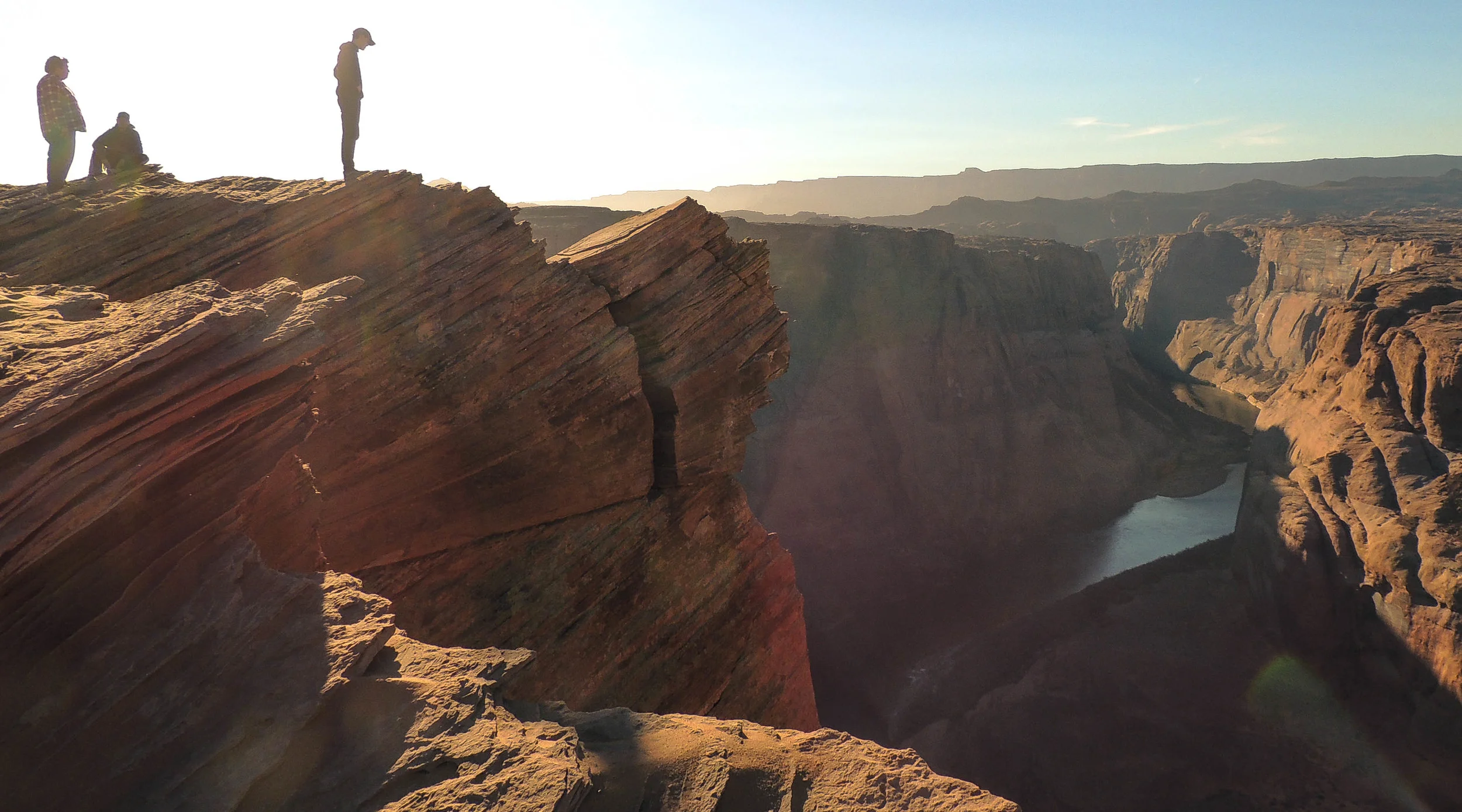
I took this photograph last week overlooking Horseshoe Bend. The view was absolutely stunning, but I must admit, I feel like a bit of a fraud flaunting it.
You see, though it may look like I trekked a dozen miles to reach such an epic view or that I was standing alone pondering life's deeper questions along the cliff's edge, that's simply not the case. The image might make me look like quite the explorer or at least a bit more adventurous, but the truth is I was surrounded by hundreds of people simultaneously taking the exact same picture.
The parking lot for Horseshoe Bend is literally right next to the highway. It's a mere 10-minute stroll to the cliff's edge that thousands of people make every day.
Since the advent of social media, we've all developed this desire to capture and share our most epic moments. We share these images to make our lives appear more interesting and to receive validation. Validation is a great feeling, and anyone who uses Facebook, Instagram, or any other form of social media has undeniably felt this urge.

Half a Backflip and the Power of Visualization
Five years ago, I almost broke my neck at an indoor trampoline park. I'd always been pretty athletic, but anything that involved going upside down was completely foreign to me.
One of my friends is incredibly acrobatic and he decided to teach our other buddy how to do a backflip on a trampoline. They both encouraged me to join, but I knew there was no way I was going to land a backflip.
“Yeah,” I jokingly replied, “I'll try once Casey lands one.”
Turns out, my acrobatic friend is also a great teacher. Ten minutes later, Casey landed a backflip.
Dammit... I had to try now. I couldn't even begin to imagine myself attempting to do a backflip, let alone landing one. Flipping was not my forte.
I strode out onto the trampoline feigning confidence and got my bearings as best I could. The plan was simple.

The Overview Effect
Earth Day was last week and got me thinking about this short documentary. It's about something called "the overview effect," which describes the cognitive shift that occurs in astronauts when looking back at Earth from space.
It's an absolutely profound 17 minutes that will change how you think of our planet.
We humans get wrapped up in economics and politics. We worship convenience. Changing how we treat "Spaceship Earth" might not be easy, be the most viable fiscal option, or play to the favor of our political hand, but what's infinitely more important is that we'll still be around to grapple with these issues in the future.
This post won't get much viewership for my site. It might even alienate part of my audience because of the politicization of taking care of our planet. But if a dozen people actually watch this documentary and experience "the overview effect," I know it will stick with them like it has with me. And that would be more than worthwhile.

How to Stop Time From Accelerating And Turn A Hundred Years Into A Thousand
The older we get, the faster time seems to go. Like driving at a cliff with the pedal stuck to the floor, time feels like it's constantly accelerating. As we continue to age, this feeling of time speeding up can be quite unsettling, to say the least.
Recently, I decided to dig deeper into our perception of time and read Time Warped: Unlocking the Mysteries of Time Perception. The book is a review of time-based scientific research, drawing conclusions on how to "warp" time in your favor. It was all quite fascinating, but what interested me most was this phenomenon of time speeding up as we age.
Here's how it works:
Why You Should Stop Watching So Much TV and Be More Like Bruce Dickinson
A couple weeks ago, my younger sister was telling me about her weekend at the yearly Arizona Student Council Convention. One thing particularly stuck out for me from our conversation. A guest speaker at the convention brought up the vast difference between the amount of time we spend learning and the amount of time we spend watching TV:
In the United States, the average person spends 1.6 years learning and 9.3 years watching TV.
I found this absolutely shocking. So I did a bit of research and checked the math... If you count the total amount of time spent in school as learning and use actual government research that found we spend 2.8 hours per day watching TV - it's totally true.
School: 6 hours x 180 days x 13 years = 14,040 hours = 1.6 years
TV: 2.8 hours x 365 days x 80 years = 81,760 hours = 9.3 years

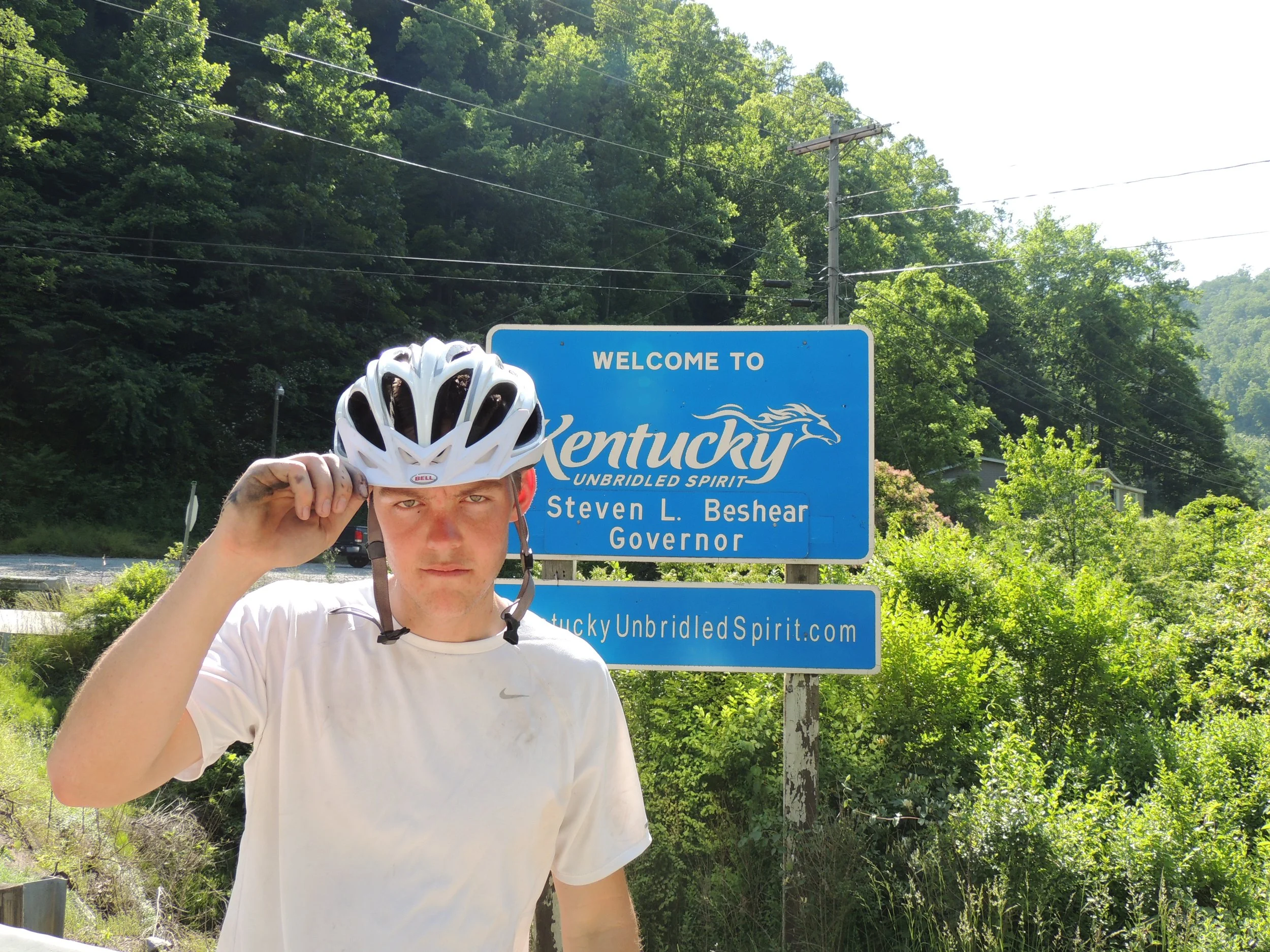
Does Travel Make You More Employable?
There seems to be an online debate as to whether travel makes us more or less employable. Many traveler bloggers like to cite all the skills honed while traveling that you can list on your resume while others allege that having a gap in your resume is less enticing to employers than if you worked the whole time.
Both sides make compelling arguments, but in generalizing travel they gloss over one vital detail – what did you actually do?
Travel is a vague term.
Travel could be relaxing in a beach-side hammock in Cancun for six months, which might not help your employability. By no means am I saying you shouldn't do that, it's just probably not going to make you more employable. Travel could also be volunteering in Africa to save endangered animals from poachers or climbing Mount Everest, which would absolutely make you more employable. Basically, the more adventurous or purposeful your travel, the more likely it would illustrate value to a potential employer.
I Didn't Write an Article Worth Posting This Week
I've been posting every Wednesday on The Living Theory for the past couple months, but today, I'm afraid I don't have anything ready. Each week so far, I've managed to find an idea that consumes me and come to some conclusion I consider worth sharing. Other times I write something useful that I think could help a lot of people, but this week, my ideas just didn't come out right.
I actually started three different articles and got a ways into all three of them, but I'm still unsure where they ultimately lead and I've yet to nail down the biggest take away from each idea. So rather than rush a worthwhile idea to a worthless conclusion, I decided I'd just say: it'll be here next week.
I posted today anyway, because I do have a worthwhile point to make on this very subject:
4 Life Changing-Lessons I Learned After Having A Stroke At Sixteen
When I was sixteen, I was bitten by a mosquito. That mosquito infected me with a rare virus that causes swelling of the brain and spinal fluid. I had a stroke, many grand mal seizures, spent three days in a coma, and nine days in the intensive care unit of Phoenix Children’s Hospital. It almost killed me. Towards the end of my stay, a speech pathologist came into my room at the hospital and held up an apple. She asked me what it was… and I couldn’t answer.
The stroke caused damage to the output area of my brain. It most prominently affected my ability to speak and my hand-eye coordination. The recovery process was drawn out, difficult, and embarrassing. At first, I could barely talk. I’d constantly lose my train of thought or get stuck trying to pull a simple word out of my head.
Time and speech rehabilitation proved fruitful. After six months, I probably had two thirds of “the old me” back. As far as I could tell, the last third came slowly, over the next couple years. Around the time I was starting to wonder if I was fully “back,” I had a simple, yet profound realization – I almost died. Everything almost ended for me at sixteen years old, yet I hadn’t really done anything of personal significance. I’d spent my life passively existing, jumping through hoops, and putting things off for someday in the future.
As time passed, I continued to gain unique insight and perspective from my stroke at sixteen. Of all the understanding I’ve gleaned, here are the four most important lessons I learned:
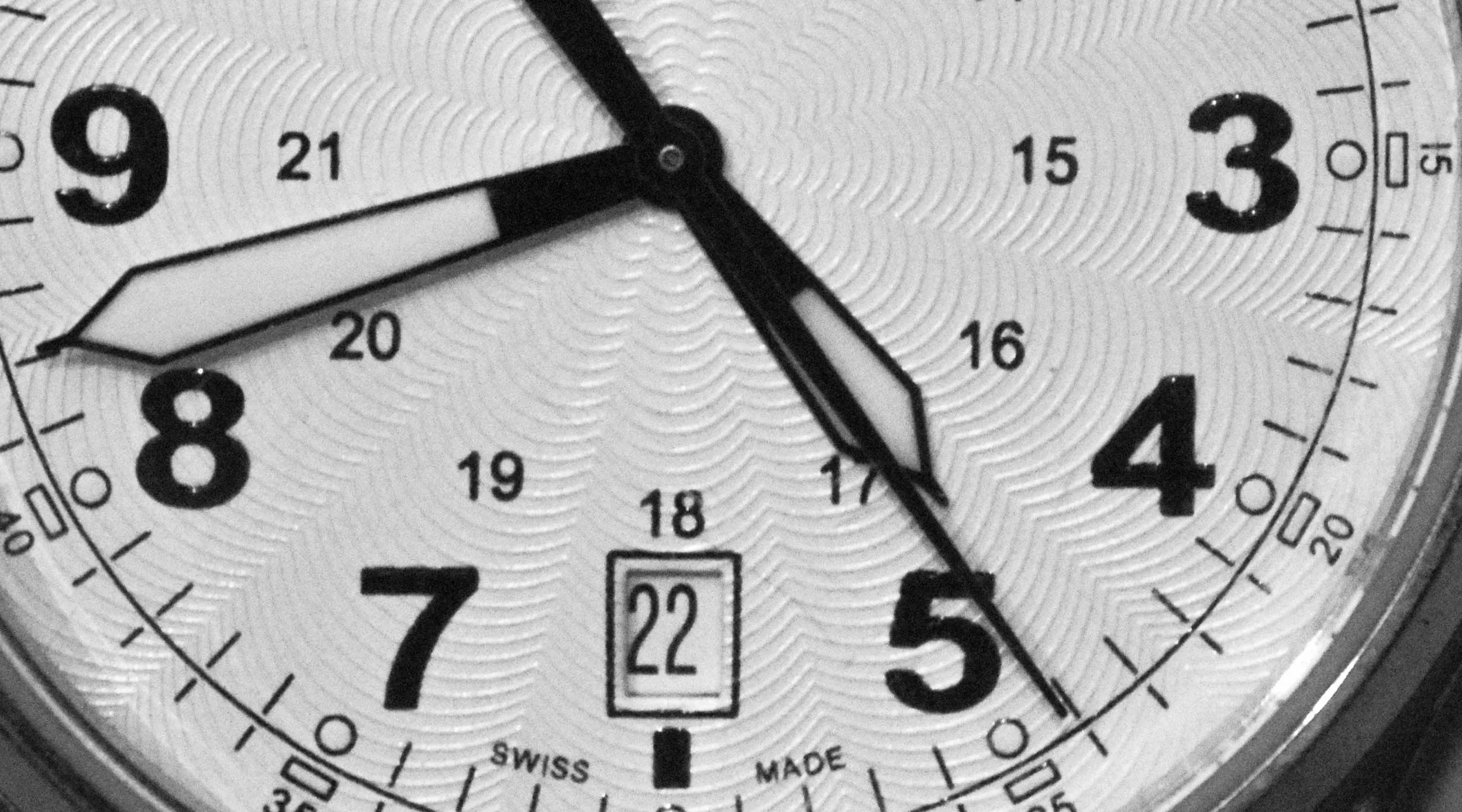
Backing into the Future: The Simple Reason Ancient Greeks Valued the Present More Than Us
Almost all modern cultures assume that the future lies in front of us and the past lies behind us. From our modern prospective, we're constantly moving forward into the future. However, the ancient Greeks and Mesopotamians thought of time in the opposite way – that we back into the future and face the past.
It's a subtle difference, but I think it's implications are of immense importance.
The reason we assume we face the future is obvious – because we're moving towards it. Like walking, driving, or any other form of movement, we face the direction we're going.
Yet this concept applied to time doesn't work. Why do we face the direction we're going when we move? We face the direction we're going to perceive what's ahead, plot our next steps, and navigate what's coming. However, time doesn't work this way. We can't look ahead in time obviously – we can't perceive the future.
Three Stunning Videos That Inspire Exploration and Adventure
This life is such an incredible gift. The opportunity to be alive, to be conscious, to feel passion, to feel love, to explore, and to take any number of infinite potential paths though this world... it's mindbogglingly beautiful.
I usually write to convey a message, but I think these three awe-inspiring videos come from a place closer to the source than written word. If only for a moment, they provide clarity and help us realize the opportunity that life implies.
When you have the time, take a deep breath. Sit down, turn the volume up, go full screen, and be inspired.
How to Use the Most Powerful Moment in a Movie to Do Something Amazing
In every movie, there's an event or decision that alters the course of a character's life. A moment that sets them down a path or jolts the main character from their everyday routine. This moment is referred to by screenwriters as the inciting incident.
The inciting incident in Spiderman is when Peter Parker is bit by a super spider. In the Hunger Games, it's when Katniss volunteers to take her sister's place as tribute. In the Hangover, it's when they realize Doug is missing, and nobody can remember what happened.
The word inciting is derived from incitare, a Latin word which means “to press, drive, or impel to action.” In a movie, the inciting incident is the essential tool that launches the main character into some sort of journey.
Inciting incidents don't just exist in movies though – they spark all endeavors. And though they may be less dramatic than the inciting incidents of blockbuster movies, we can create our own inciting incidents that compel us to do incredible things.
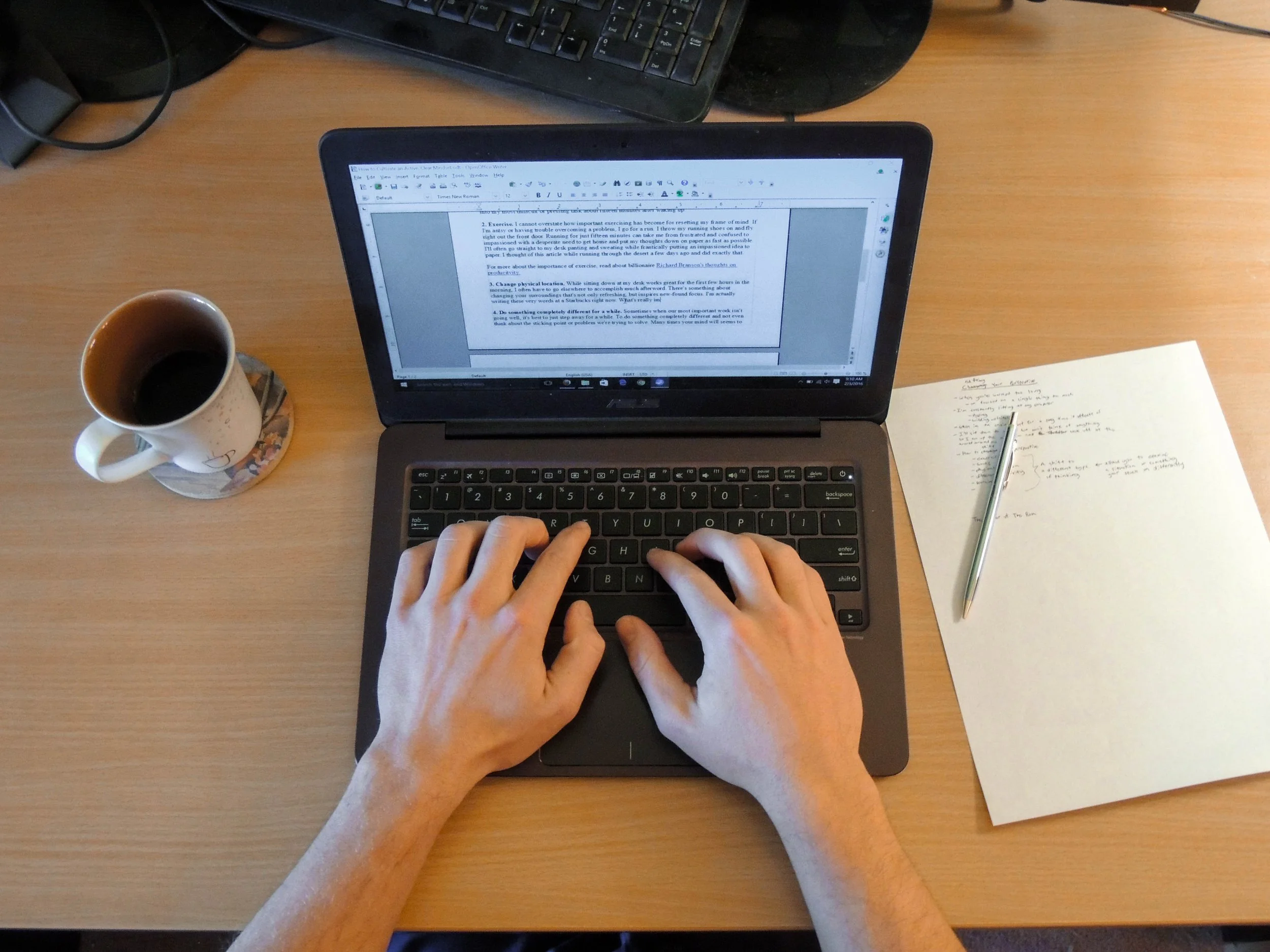
Five Tips For Vanquishing Your Most Important Work
Our most important tasks are often the hardest to accomplish.
They're often undertakings that require focus and active thought. Or maybe wield a paralyzingly large impact on our lives. They're easy to avoid starting in favor of easier, more mindless pursuit and even harder to actually successfully finish.
For me, my focus intensive, important work is writing. I'll have a great idea that I get excited about, but actually producing an article about it is difficult. I have to fully grasp how I want to present it, outline the article, and then write the rough draft which I often proceed to heavily edit and rearrange. It's a difficult process and easy to put off when less important tasks arise.
I've been writing consistently for a bit over four months now. I've come to realize it's important to cultivate the right mindset to do this difficult and focus intensive work. When I'm inspired to work and in a state of mental clarity, what I end up producing often comes out faster and better.
Why the Great Outdoors Are Actually Great
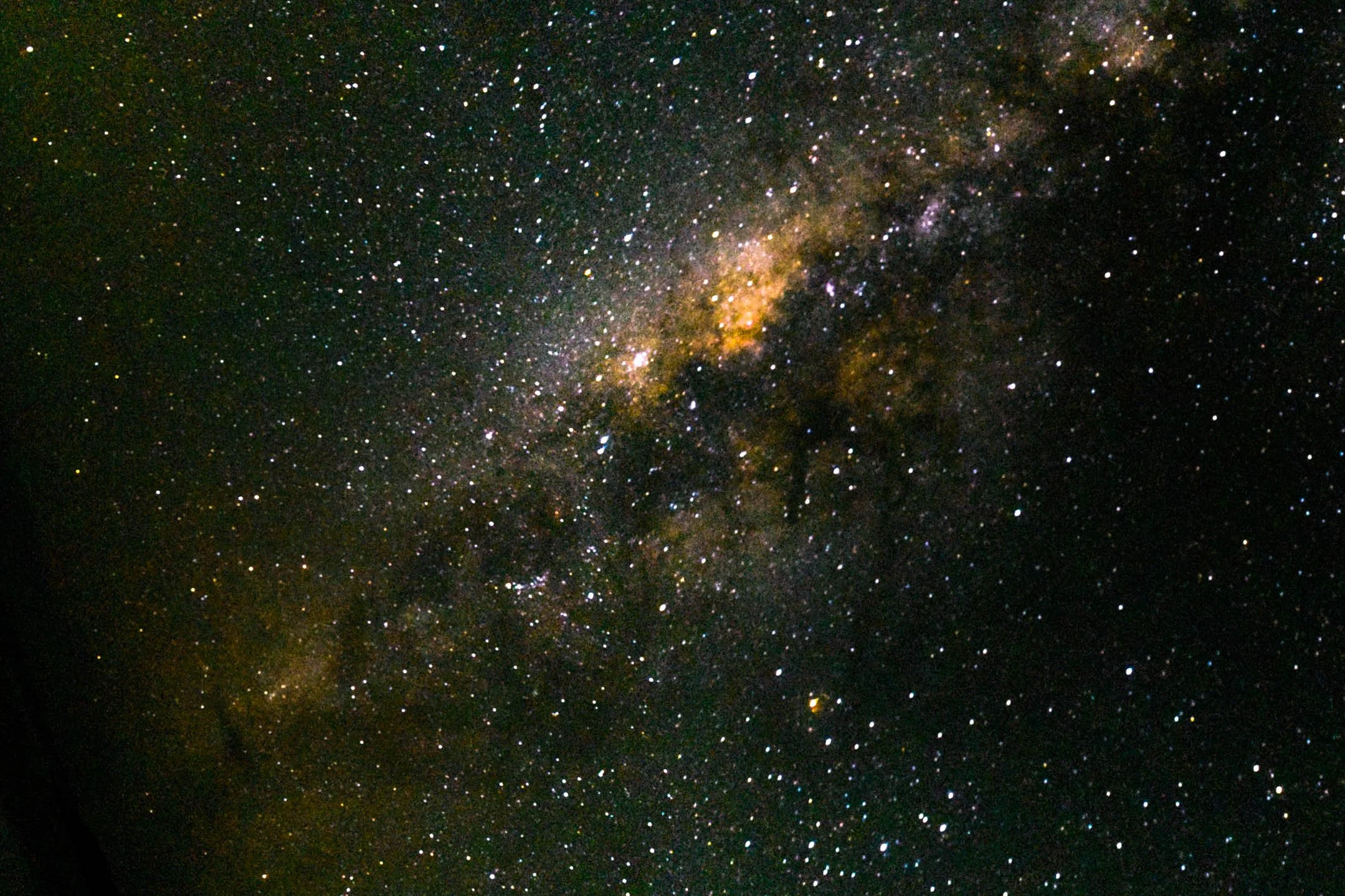
A couple years ago, my brother Reid and I drove down from Phoenix, AZ towards the Mexican border for an overnight backpacking trip. I'd read online somewhere that Mount Wrightson's summit was the best place to stargaze in the contiguous United States. The peak towers nearly 7,000ft above the surrounding desert floor and exists far enough away from any light source to provide an almost completely unobstructed view of the night sky.
We'd planned it out perfectly. The forecast called for a moonless, cloudless night. After toiling for five hours skyward in the heat of a summer desert afternoon, we reached the top.
More than a mile above the surrounding landscape, hundreds of swallows whizzed around us with unbelievable speed, dive bombing their last meal of airborne bugs before nightfall. We cooked a large can of sloppy joes on my backpacking stove as the landscape faded from hues of light orange into dark purples.

Triumphing Over Our Lazy Disposition
We're designed to:
- Procrastinate
- Sleep in
- Take the easy way out
- Skip today's workout
- Value urgency over importance
- Seek comfort
Often, it's better to do the opposite:

A Message From The Void
There exists a gap between the start of an endeavor and perceivable result. Between the beginning of a journey and the first signs of measurable progress. A kind of void. A void people don't often speak of while inside.
A month ago, I received a book in the mail called A Million Miles in a Thousand Years. Someone clearly purchased it on Amazon and had it sent to me. Who that was, I have no clue.
I was deeply intrigued by the mystery of not knowing who sent me the book, so it jumped to the top of my reading list and I read it a couple weeks ago. It was profound and full of parallels to my own life. I'll be adding it to the Bookshelf soon.
One part of the book particularly struck me. The author leaves the shore of a vast inlet in the Canadian wilderness in a kayak at midnight, bound for the opposite shore.

Reflecting on the Year Past and Glancing at the Map
I'm not a big believer in setting rigid and specific goals. The best things often come from unexpected places or in ways we don't foresee until the future we're attempting to plan for has become the present.
However, as 2015 has come to a close and a new year lays unwritten before us, I think it's beneficial to reflect on the year past and consider how we might best use the time ahead of us. Not to chart a path and blindly follow it, rather more of a stopping for a few minutes to study the map, make sure we're heading in the right direction, and boldly continue on in our journey of life.
A couple days ago, I broke out a notebook and made a few lists. Lists of what I did over the past year, what went well, what didn't, and what I want to carry over into 2016.

How to Use the Thought of Death to Your Advantage
Life implies death. The very fact that we're alive today means that someday we must die. A hundred years from now nearly every human currently walking this earth will be gone, cleared away for a new generation to come. It's nothing new. This change-over has gone on for billions of years and will continue to do so.
Most people can't stand this thought of death and try to bury it. It's understandable. Nobody wants to die and considering the temporariness of our existence can be mindbogglingly devastating. Pushing all thoughts of death away isn't going to help us live any longer though. Contrarily, we can use the thought of death to our advantage.

Steve Jobs' Stanford Commencement Address
Steve Jobs on trusting the dots will connect in your future, finding your passion, and using death as a tool to make the big choices in life.