Most Recent

Seeing What's Common from an Uncommon Angle
Every once in a while, when walking around the incredible lodge I live and work in, my eyes, a window, and one of the surrounding mountains perfectly line up. As I walk towards the window, the angle of my view through it rises, and my view of the mountain climbs higher and higher and higher... and HIGHER???
By the time the top of the mountain is in view, I'm shocked. I'm reminded of how majestic, how huge these surrounding peaks are. Every time this alignment of eyes, window, and mountain occurs, I stop and stare in amazement for a second.
The mountains surrounding Silver Gate, Montana are multiple thousands of feet higher than the town on the valley floor. They climb so high, so fast, and from so close that their presence just looms, towering over the valley. I was constantly moved by these mountains when I first arrived at the beginning of the summer, but over time, I got used to them. In their constant presence, I looked up less and less to appreciate their grandeur.
Embracing Possibility and an Epic Trek Through the Alaskan Wilderness
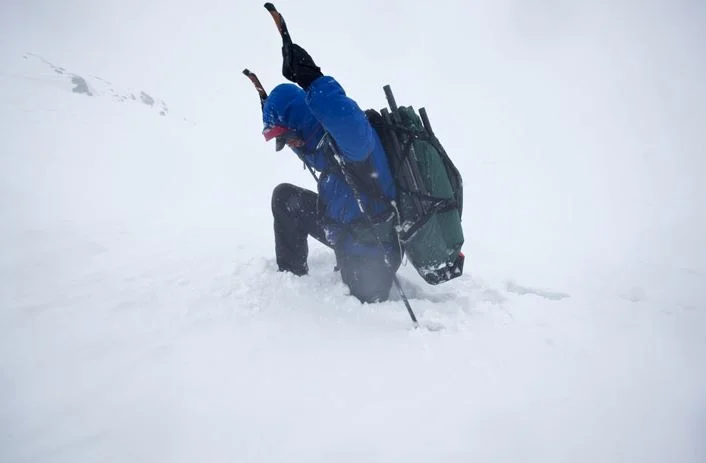
The above video is a National Geographic Live! Presentation by Andrew Skurka, a man who left the trail behind to traverse 4,569 miles of Alaskan Wilderness. It's riveting. It's powerful. It's one of the most inspiring talks I've ever seen. I share it not just in the hopes that it moves you, but to illustrate the extreme degree of possibility that comes with being alive.

“How Did I Get Here?” Moments
An old Toyota pickup that was roughly converted into a dump truck cruised a Hawaiian highway with dense jungle on both sides. In the back of the dump truck was a giant pile of bananas. Atop that pile of bananas were three guys. I was one of them.
The absurdity of the situation baffled me as I sat, precariously perched atop a pile of fruit at such high speeds. I looked at my buddy, Alex, with near disbelief. “Dude!” I yelled through the wind, “Do you realize we’re in Hawaii riding down the highway in the back of a dump truck full of bananas right now?”
We laughed at the ridiculousness of the situation as we attempted to juggle bananas, throwing them forward into the 65mph blast of wind that would push them back towards you to catch as you tossed the next. Chuckling, I incredulously wondered aloud, “How did I get here?”

The Beauty and Benefits of Simplicity
This is a guest post by Patricia Maurice. An accomplished professor, mother, and a voracious student of life.
There’s nothing like a solo hike up the side of a rugged mountain peak to organize one’s thoughts and create a little time for reminiscing. But, it wasn’t until I got back to camp this evening and raced to warm a bowl of soup in the path of a thunderstorm that clarity finally struck me… at 55 years old, I am happier than I’ve ever been in my life.
This journey towards happiness has not been steady or linear by any means. Mine has been a life of long periods of chaos punctuated by sudden epiphanies that have arrived like thunderbolts from out of the blue. I could, and perhaps will write about several of them. But, surely, one of the most important occurred a little over a decade ago. In my mid-40s, life had become a seemingly endless, exhausting ping-pong match of career and family. I wasn’t sleeping, was hardly eating… and it always seemed like the harder I worked, the more behind I fell.
The Most Beautiful Sunrise of My Life
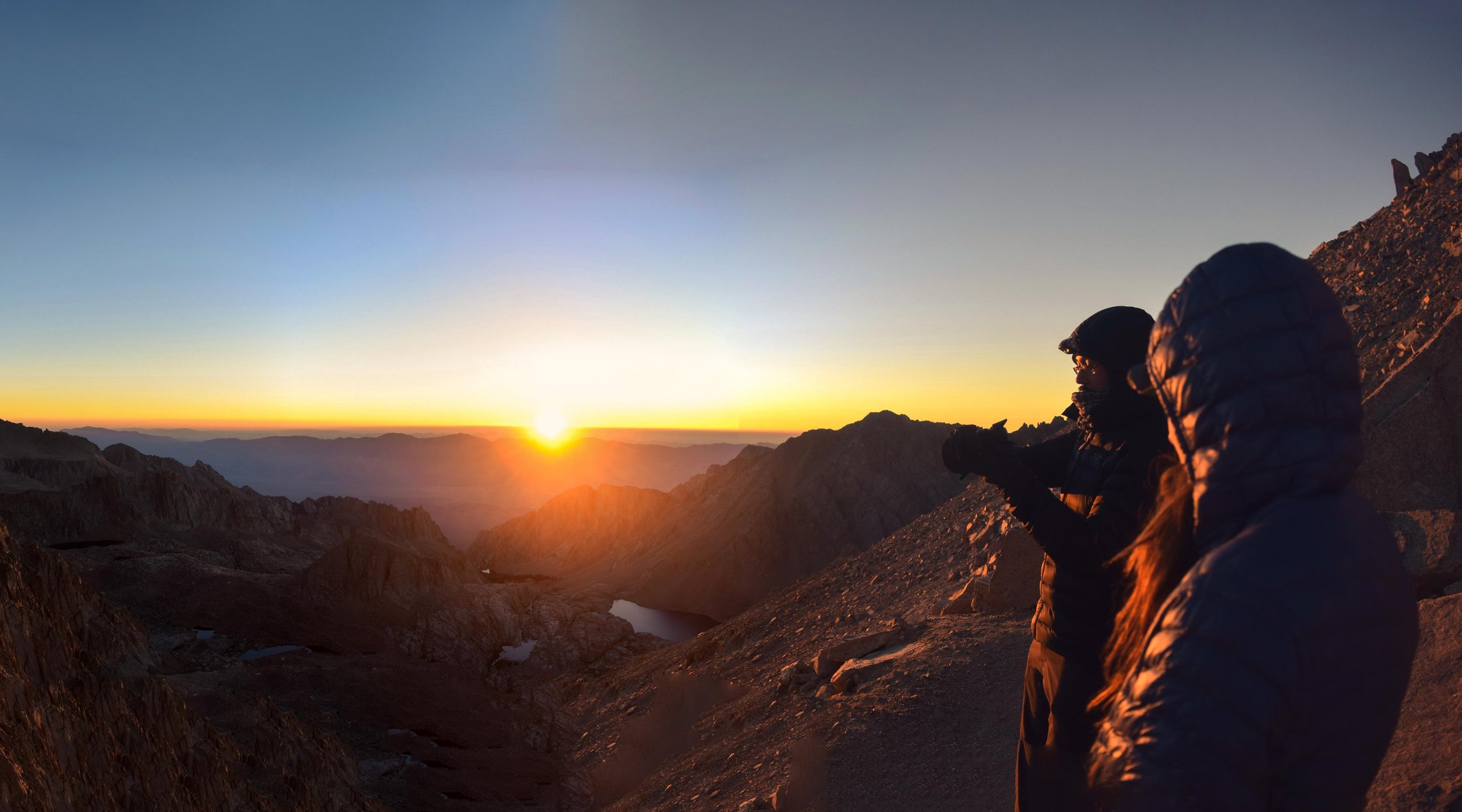
A certain energy was in the air. It was one of those rare mornings when you wake up conscious of your surroundings and what you're about to do because it's the day.
My sister and I rolled up our sleeping bags, broke down the tent, and packed everything with a hushed fever and deliberateness. After failing to do so almost exactly two years previous due to an unprecedented August snowstorm, we once again found ourselves at Guitar Lake, preparing to make our second attempt at the 14,505ft Mount Whitney, the tallest mountain in the continental United States.
It was 2:15am. Four of us stood around trying to maintain a degree of stoicism toward the effort that lay ahead, distracted and awed by the stars above. Well above the treeline, our surroundings consisted of rock and dirt, giving us an unobstructed view of the Milky Way that spanned across the entire night sky. The air felt like one would imagine space to feel if it were hospitable—cold, crisp, still. My hands were crammed into a pair of used, crusty wool socks for warmth. Unable to use my thumbs, I awkwardly attempted uncomfortable grip variations of my trekking poles.

Viktor Frankl on Idealism and Why You Should Aim Higher Than You Can Reach
Holocaust survivor, legendary psychiatrist, and author of the life-quaking book Man's Search For Meaning, Viktor Frankl's work has impacted (and continues to impact) millions of people.
In this clip, specifically his plane landing analogy, he illustrates why one must aim beyond their potential in order to reach it.
Handstands and Discarding Limiting Beliefs
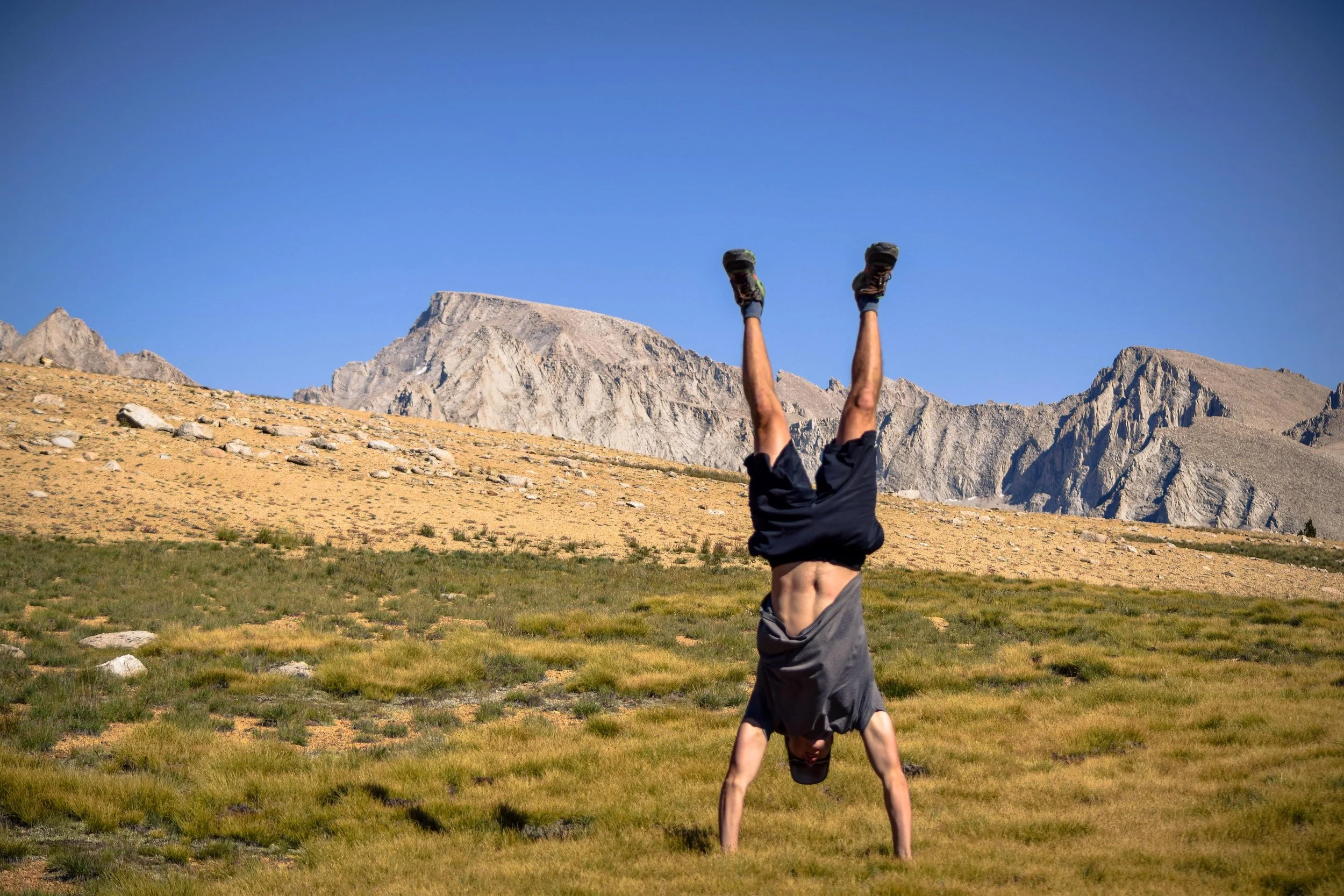
Not long ago, I couldn't even entertain the possibility of doing a handstand. Now, I can hold one for five or six seconds. At a glance, that's really not all that impressive. However, what happened between these two points in time is quite worthy of mention.
Way back when I was a little kid at recess, a bunch of my classmates were doing handstands, cartwheels, and other gymnastic type stuff. One week, it was just what everybody was doing. I'd never really tried or learned anything of a gymnastic nature and, unsurprisingly, I sucked at it. On the other hand, I played a lot of sports at home, and on the elementary school playground I always did quite well. I concluded that I was athletic, but not acrobatic.
For the next fifteen years or so, the belief that I was “athletic, but not acrobatic” shaped my life. I practiced and played all sorts of sports, believing that I was athletic, I got pretty good at many of them. I sought out athletic opportunities, but avoided acrobatic ones—I knew I was bad at those. Many years later, I still am.
10 Rules for Insanely Cheap Travel
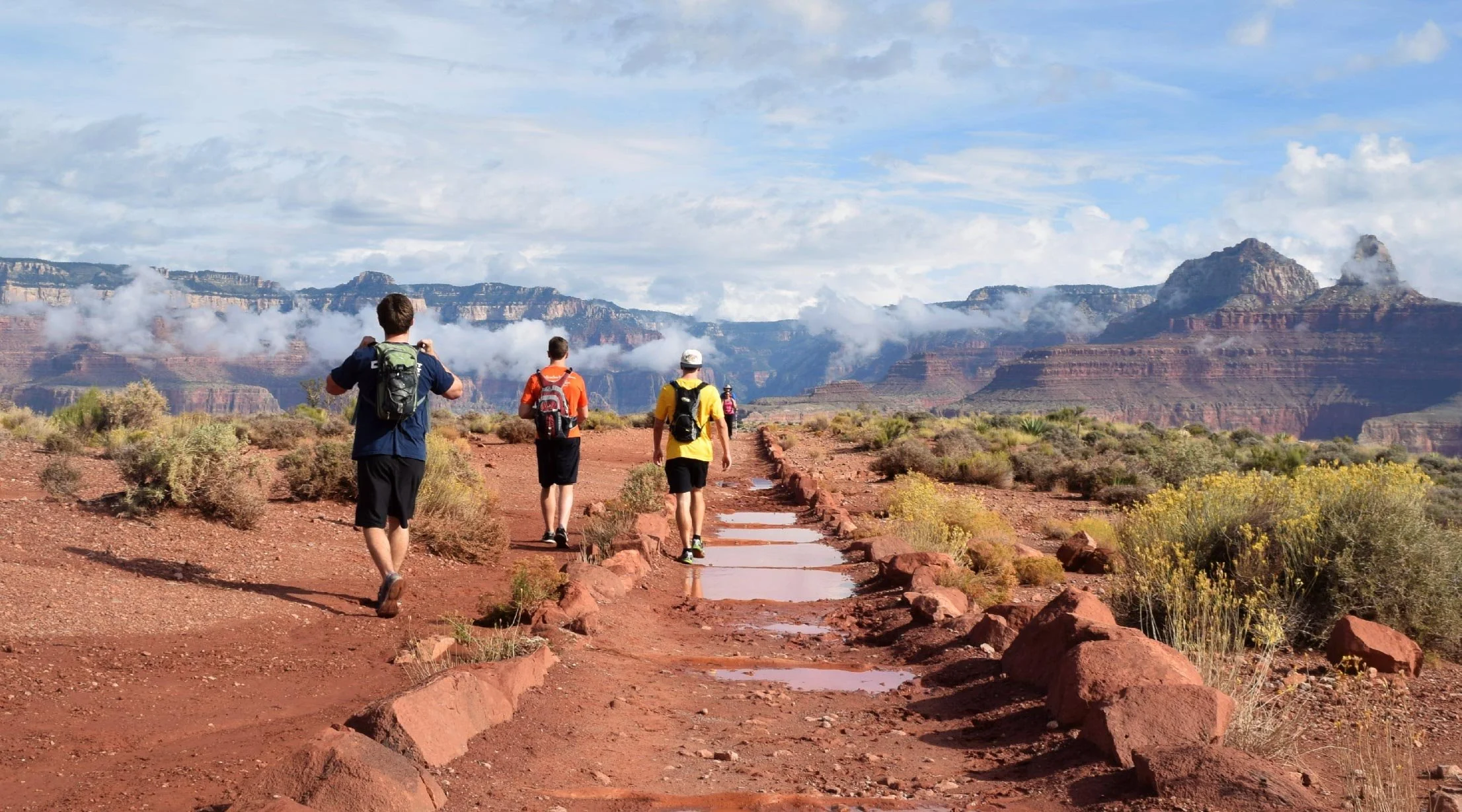
I've spent a majority of the past two years traveling and honed some serious ultra-cheap traveling skills. I've bicycled across the United States, lived like a local in Mexico, worked as a deckhand on a cruise ship, and had many other adventures on a shoestring budget.
I am not rich, nor do I have passive income. I just picked up skills, strategies, and a host of resources along the way that make traveling insanely cheap. I suppose you could call me a “travel hacker.” A quick example: I spent two and a half months on the Big Island of Hawaii last summer for $669 (including airfare) without budgeting or “penny pinching.”
Here are 10 rules I attempt to follow that produce some insanely inexpensive trips:
Why I Started The Living Theory
I tried to focus as the professor droned on about enzyme structures in biochemistry class, but I constantly drifted towards it. It consumed my thoughts as I ran. It filled the moments before I fell asleep and the dreams afterwards. I couldn't stop thinking about all I had to say.
I couldn't stop thinking about this website.
A string of events led to this obsession. It started with a mosquito bite. That bite led to an infection of the fluid surrounding my brain and spine, causing it to swell. The pressure caused seizures and a brain-damaging stroke, which began a multi-year struggle of rehab and dedication towards returning to the “old me.” Around the time two years had passed, I began to wonder if I'd made it back to normal. I thought about that a lot. One day, I asked myself the right question, which stopped the wondering altogether—“Why stop at normal?”
What to Discuss With a Work Trade Host Before You Go
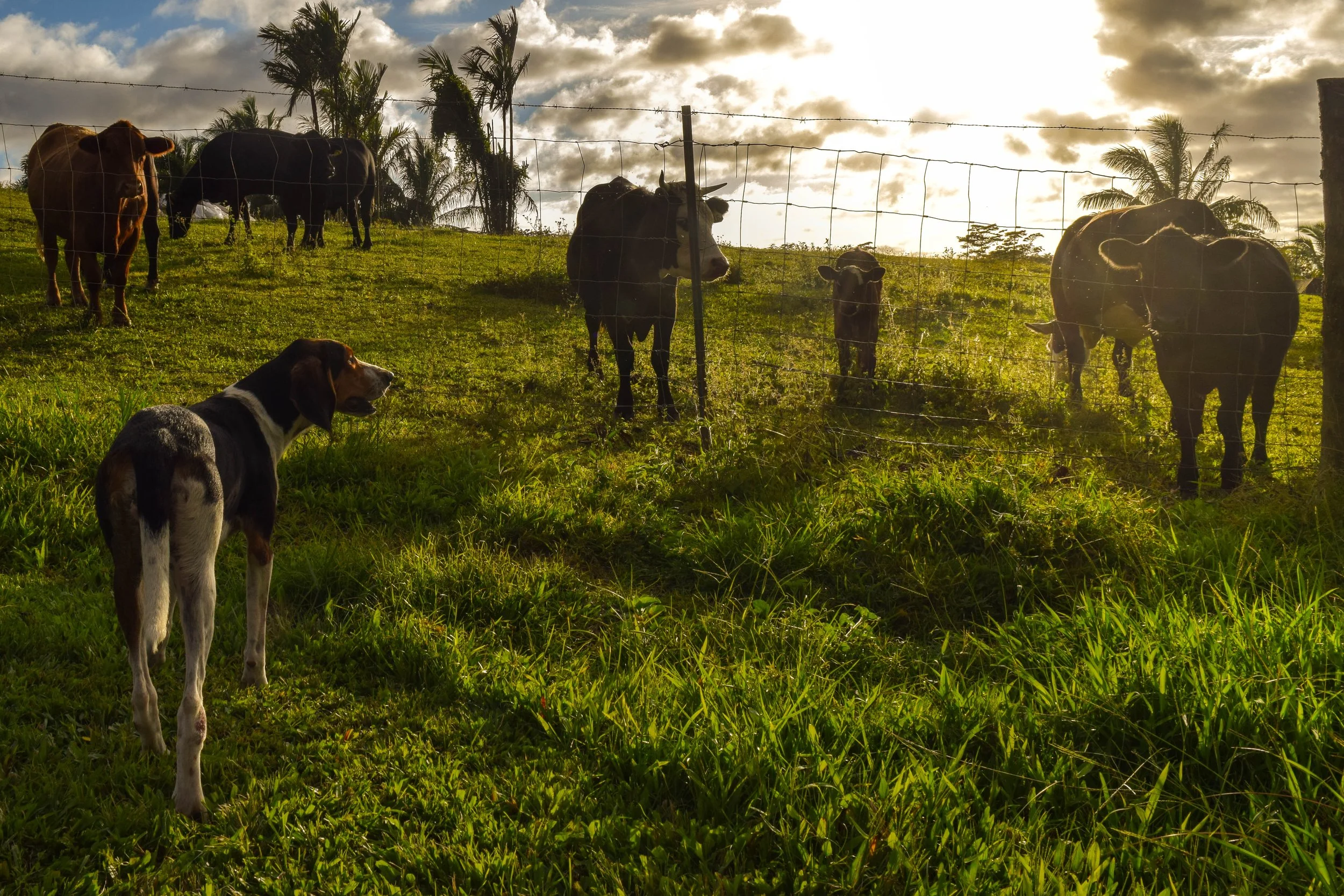
Work trade organizations like WWOOF and HelpX make experiencing anywhere around the globe remarkably affordable. In exchange for part-time work, hosts will provide you with food and a place to stay, leaving you with next to no expenses virtually anywhere on earth!
To give you an idea of how cheap we're talking, I spent two and a half months WWOOFing in Hawaii for $669 (including the plane ticket). I worked 20 hours per week, got my own cabin, and our hosts took us around the island quite frequently on days off. However, I met other WWOOFers that summer who picked weeds for 30 hours a week and in exchange for nothing more than a place to pitch a tent.
It's absolutely vital to go over the specifics of your work trade arrangement with your hosts before you go. Know exactly what to expect before you commit to insure you end up in a situation you love – not loathe.

Crossing Paths With My Ghost
One of the most influential books I've ever encountered is Zen and the Art of Motorcycle Maintenance by Robert Pirsig. I knew I would be retracing part of the path of my cross country bike ride as I drove up to my summer job in Montana, which closely parallels the story line of the book, so I picked it up again for a second read on my trip north.
Yesterday, I was hiding out from a thunderstorm in the mountains just east of Jackson, WY. I read a couple chapters as I laid in this remarkably cozy nest of a bed I made with the back seats down in the used SUV I recently bought.
In the book, the main character is riding west on a motorcycle tour and begins recognizing places he can't remember being. His previous self was this philosophical genius of sorts who lost it and had his personality and memories destroyed through shock therapy. As he retraces his old route and returns to places he'd once been, the things he re-encounters drudge up memories and thoughts of that previous self. This previous self haunts him, almost like – as he says – a ghost.

Come Work With Me Just Outside of Yellowstone This Summer!
Breathtaking Moments and Our Incessant Need to Capture Them
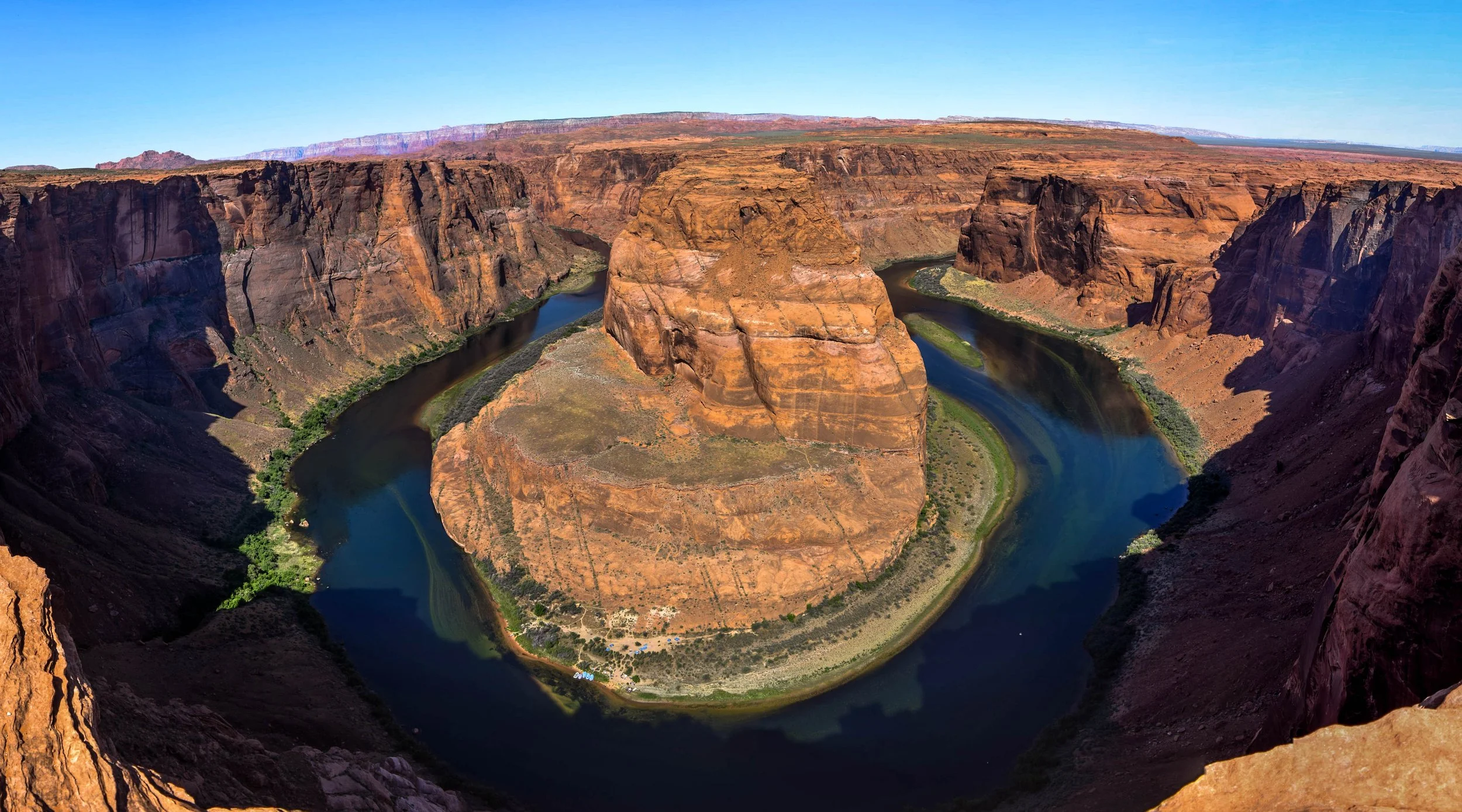
I took this photograph last week overlooking Horseshoe Bend. The view was absolutely stunning, but I must admit, I feel like a bit of a fraud flaunting it.
You see, though it may look like I trekked a dozen miles to reach such an epic view or that I was standing alone pondering life's deeper questions along the cliff's edge, that's simply not the case. The image might make me look like quite the explorer or at least a bit more adventurous, but the truth is I was surrounded by hundreds of people simultaneously taking the exact same picture.
The parking lot for Horseshoe Bend is literally right next to the highway. It's a mere 10-minute stroll to the cliff's edge that thousands of people make every day.
Since the advent of social media, we've all developed this desire to capture and share our most epic moments. We share these images to make our lives appear more interesting and to receive validation. Validation is a great feeling, and anyone who uses Facebook, Instagram, or any other form of social media has undeniably felt this urge.

Half a Backflip and the Power of Visualization
Five years ago, I almost broke my neck at an indoor trampoline park. I'd always been pretty athletic, but anything that involved going upside down was completely foreign to me.
One of my friends is incredibly acrobatic and he decided to teach our other buddy how to do a backflip on a trampoline. They both encouraged me to join, but I knew there was no way I was going to land a backflip.
“Yeah,” I jokingly replied, “I'll try once Casey lands one.”
Turns out, my acrobatic friend is also a great teacher. Ten minutes later, Casey landed a backflip.
Dammit... I had to try now. I couldn't even begin to imagine myself attempting to do a backflip, let alone landing one. Flipping was not my forte.
I strode out onto the trampoline feigning confidence and got my bearings as best I could. The plan was simple.

The Overview Effect
Earth Day was last week and got me thinking about this short documentary. It's about something called "the overview effect," which describes the cognitive shift that occurs in astronauts when looking back at Earth from space.
It's an absolutely profound 17 minutes that will change how you think of our planet.
We humans get wrapped up in economics and politics. We worship convenience. Changing how we treat "Spaceship Earth" might not be easy, be the most viable fiscal option, or play to the favor of our political hand, but what's infinitely more important is that we'll still be around to grapple with these issues in the future.
This post won't get much viewership for my site. It might even alienate part of my audience because of the politicization of taking care of our planet. But if a dozen people actually watch this documentary and experience "the overview effect," I know it will stick with them like it has with me. And that would be more than worthwhile.

How to Stop Time From Accelerating And Turn A Hundred Years Into A Thousand
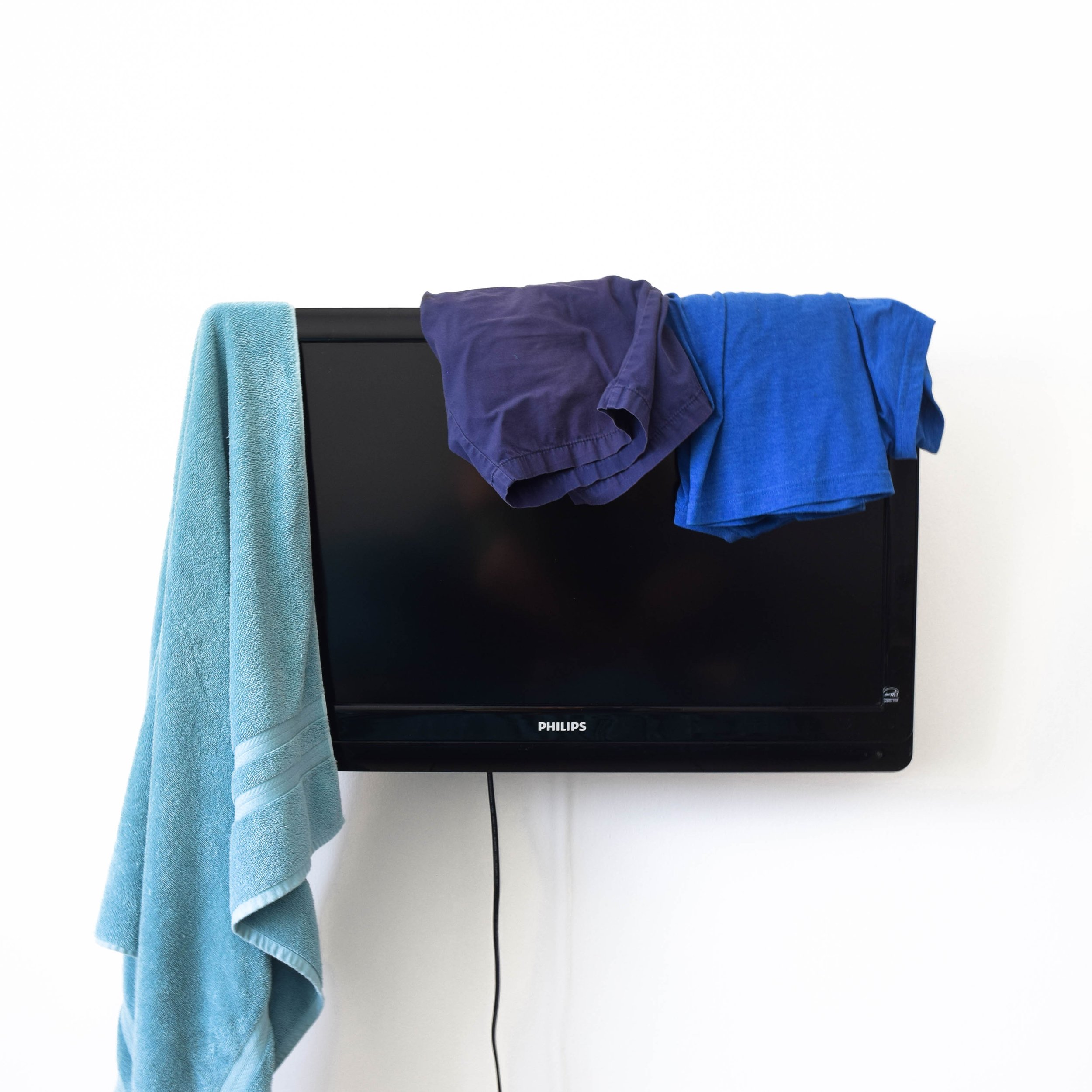
The older we get, the faster time seems to go. Like driving at a cliff with the pedal stuck to the floor, time feels like it's constantly accelerating. As we continue to age, this feeling of time speeding up can be quite unsettling, to say the least.
Recently, I decided to dig deeper into our perception of time and read Time Warped: Unlocking the Mysteries of Time Perception. The book is a review of time-based scientific research, drawing conclusions on how to "warp" time in your favor. It was all quite fascinating, but what interested me most was this phenomenon of time speeding up as we age.
Here's how it works:
Why You Should Stop Watching So Much TV and Be More Like Bruce Dickinson
A couple weeks ago, my younger sister was telling me about her weekend at the yearly Arizona Student Council Convention. One thing particularly stuck out for me from our conversation. A guest speaker at the convention brought up the vast difference between the amount of time we spend learning and the amount of time we spend watching TV:
In the United States, the average person spends 1.6 years learning and 9.3 years watching TV.
I found this absolutely shocking. So I did a bit of research and checked the math... If you count the total amount of time spent in school as learning and use actual government research that found we spend 2.8 hours per day watching TV - it's totally true.
School: 6 hours x 180 days x 13 years = 14,040 hours = 1.6 years
TV: 2.8 hours x 365 days x 80 years = 81,760 hours = 9.3 years

Does Travel Make You More Employable?
There seems to be an online debate as to whether travel makes us more or less employable. Many traveler bloggers like to cite all the skills honed while traveling that you can list on your resume while others allege that having a gap in your resume is less enticing to employers than if you worked the whole time.
Both sides make compelling arguments, but in generalizing travel they gloss over one vital detail – what did you actually do?
Travel is a vague term.
Travel could be relaxing in a beach-side hammock in Cancun for six months, which might not help your employability. By no means am I saying you shouldn't do that, it's just probably not going to make you more employable. Travel could also be volunteering in Africa to save endangered animals from poachers or climbing Mount Everest, which would absolutely make you more employable. Basically, the more adventurous or purposeful your travel, the more likely it would illustrate value to a potential employer.
I Didn't Write an Article Worth Posting This Week
I've been posting every Wednesday on The Living Theory for the past couple months, but today, I'm afraid I don't have anything ready. Each week so far, I've managed to find an idea that consumes me and come to some conclusion I consider worth sharing. Other times I write something useful that I think could help a lot of people, but this week, my ideas just didn't come out right.
I actually started three different articles and got a ways into all three of them, but I'm still unsure where they ultimately lead and I've yet to nail down the biggest take away from each idea. So rather than rush a worthwhile idea to a worthless conclusion, I decided I'd just say: it'll be here next week.
I posted today anyway, because I do have a worthwhile point to make on this very subject:
4 Life Changing-Lessons I Learned After Having A Stroke At Sixteen
When I was sixteen, I was bitten by a mosquito. That mosquito infected me with a rare virus that causes swelling of the brain and spinal fluid. I had a stroke, many grand mal seizures, spent three days in a coma, and nine days in the intensive care unit of Phoenix Children’s Hospital. It almost killed me. Towards the end of my stay, a speech pathologist came into my room at the hospital and held up an apple. She asked me what it was… and I couldn’t answer.
The stroke caused damage to the output area of my brain. It most prominently affected my ability to speak and my hand-eye coordination. The recovery process was drawn out, difficult, and embarrassing. At first, I could barely talk. I’d constantly lose my train of thought or get stuck trying to pull a simple word out of my head.
Time and speech rehabilitation proved fruitful. After six months, I probably had two thirds of “the old me” back. As far as I could tell, the last third came slowly, over the next couple years. Around the time I was starting to wonder if I was fully “back,” I had a simple, yet profound realization – I almost died. Everything almost ended for me at sixteen years old, yet I hadn’t really done anything of personal significance. I’d spent my life passively existing, jumping through hoops, and putting things off for someday in the future.
As time passed, I continued to gain unique insight and perspective from my stroke at sixteen. Of all the understanding I’ve gleaned, here are the four most important lessons I learned: